Access Community Therapists Presents

Eating, Drinking and Swallowing Disorders: Assessment and Management, a Clinical Approach

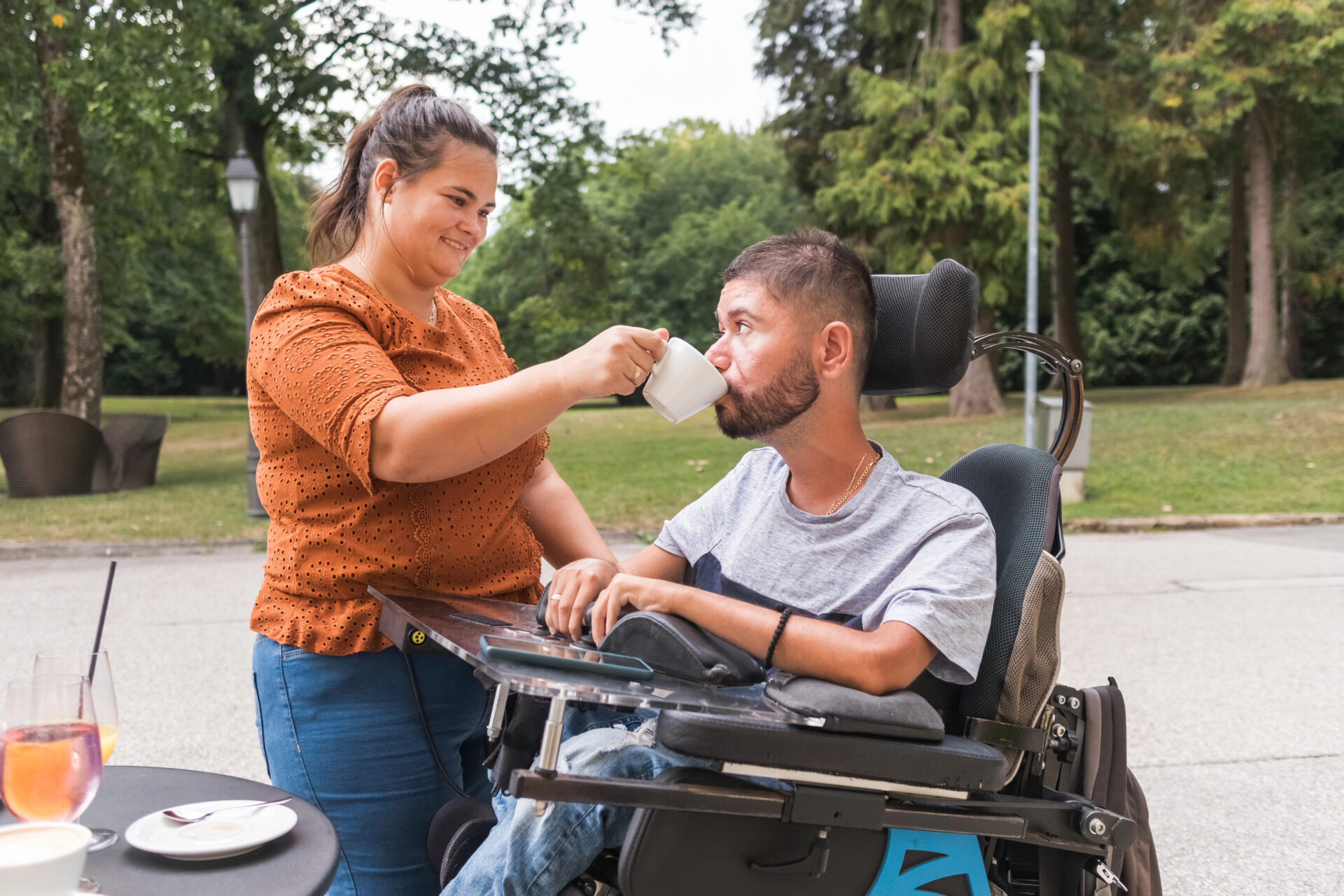
A woman helps a man in a wheelchair drink from a mug outdoors in a park. The man looks at her whilst she holds the mug to his mouth. They both appear calm and engaged with each other.
  • Dates TBD

Virtual

This is a 4 SESSION VIRTUAL WORKSHOP on the clinical assessment and management of eating, drinking and swallowing disorders. Video clips and case studies will be used and will include various population groups.

Note: Registration limited to 40 participants – register early.

Presented By:

Workshop Agenda

  • Setting the stage – the ICF in relation to eating, drinking and swallowing.
  • Team Roles and establishing and maintaining competencies in dysphagia practice.
  • Review of anatomy and physiology of normal swallowing (pre-reading will be emailed out prior to course)
  • Assessment; Relevant history, Oral motor evaluation ( including practical work with partners), Mealtime observation – Case scenarios, video clips, worksheets provided to practice observation skills on a variety of clients; Introduction to using the modified barium swallow study as an assessment tool
  • Management; Common management strategies, video clips and case scenarios will be utilized; adapted equipment and resource books will be available
  • Ethical Considerations in Dysphagia Practice

Learning Objectives

At the completion of the workshop, participants will:

  • Consider eating, drinking, and swallowing in relation to the individual’s priorities and goals.
  • Be able to identify and describe the relevant swallowing structures and their functions.
  • Recognize and describe some of the unique differences and issues related to dysphagia in specific population/diagnostic groups.
  • Be able to carry out a clinical assessment, including interpretation of relevant history, oral motor examination and mealtime observation.
  • Demonstrate an understanding of the various tests relevant to dysphagia and describe when these might be indicated.
  • Be able to formulate and implement management plans to address identified eating, drinking and swallowing difficulties.
  • Understand and articulate the importance of inter-professional practice in dysphagia management.
  • Be able to locate pertinent resources.

What's Included?

  • A comprehensive handout
  • Anatomy and physiology pre-reading

Meet Your Presenters

  • Janice Duivestein, An older woman with long grey hair and blue glasses smiles at the camera. She is wearing a lavender jumper and a white scarf with a blue floral pattern, standing against a plain light background.

    Janice Duivestein, OT/PT

  • Jennifer Sawrenko, A woman smiling for a photo.

    Jen Sawrekno, OT